
Core Values

Spray Reduction
$258 saved per ha
Learn more →
Delivering value to growers
$450 value gen per ha
Learn more →Summary
A vineyard in South Australia wasted $14,331.82 on unnecessary fungicides sprays, representing 97% of their spray costs in the 2024/2025 season. Ignoring the BioScout disease pressure readings from their land meant that 51 out of 54 sprays were applied for pathogens that were not actually present on their property or posed a low risk to their crops.
Background
BioScout is a next-generation disease monitoring system that takes the guesswork out of spray decisions. By continuously tracking airborne fungal spores and combining this with local weather data, it delivers a precise picture of actual infection risk at your vineyard. Instead of spraying based on weather conditions alone, growers receive real-time insights that answer the crucial question: "Do I actually need to spray today?".
Operating 24/7 in your vineyard, BioScout automatically identifies key pathogens and delivers critical data straight to an intuitive dashboard. This means you can see exactly what diseases are present and their concentration levels—transforming spray decisions from educated guesses into data-driven choices.
A South Australian vineyard equipped with a BioScout monitoring unit maintained their traditional calendar-based spray program throughout the 2024-25 season, despite consistently low disease pressure detected across their property. This post-season analysis reveals the financial impact of ignoring real-time spore data in favour of routine applications.
Currently monitored pathogens for vineyards include:
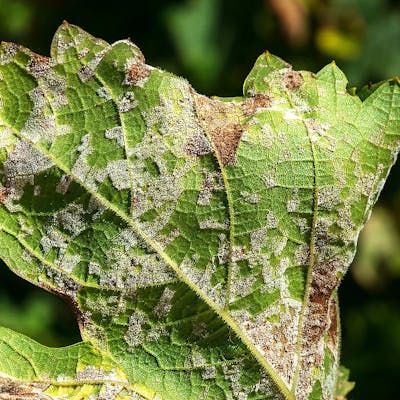
Downy Mildew
(Plasmopara viticola)

Powdery Mildew
(Erysiphe necator)
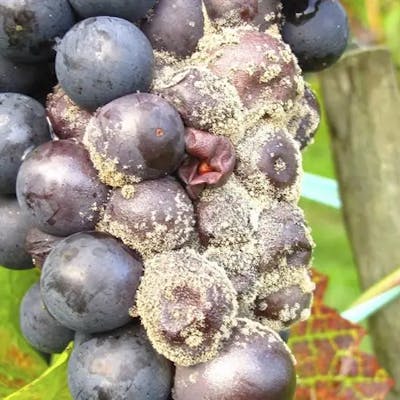
Botrytis
(Botrytis cinerea)
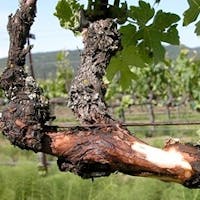
Eutypa dieback
(Eutypa spp.)
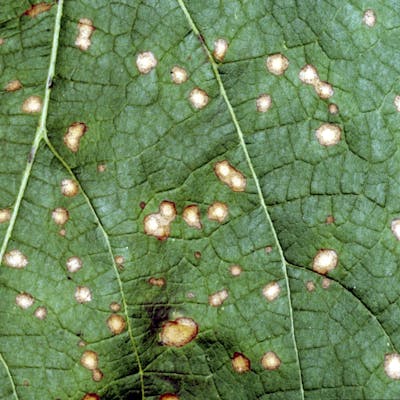
Botryosphaeria dieback
(Botryosphaeriaceae)
What Happened
Despite having access to daily spore concentration data showing exceptionally low disease pressure, this vineyard stuck to their predetermined spray schedule. The result? A staggering 97% of their fungicide budget was spent fighting diseases that simply weren't there. The few applications that could have delivered real protection were poorly timed, missing the critical windows when disease pressure actually occurred. This vineyard had the data to make smarter decisions but chose to spray blind—turning what should have been their most cost-effective season into a costly mistake.
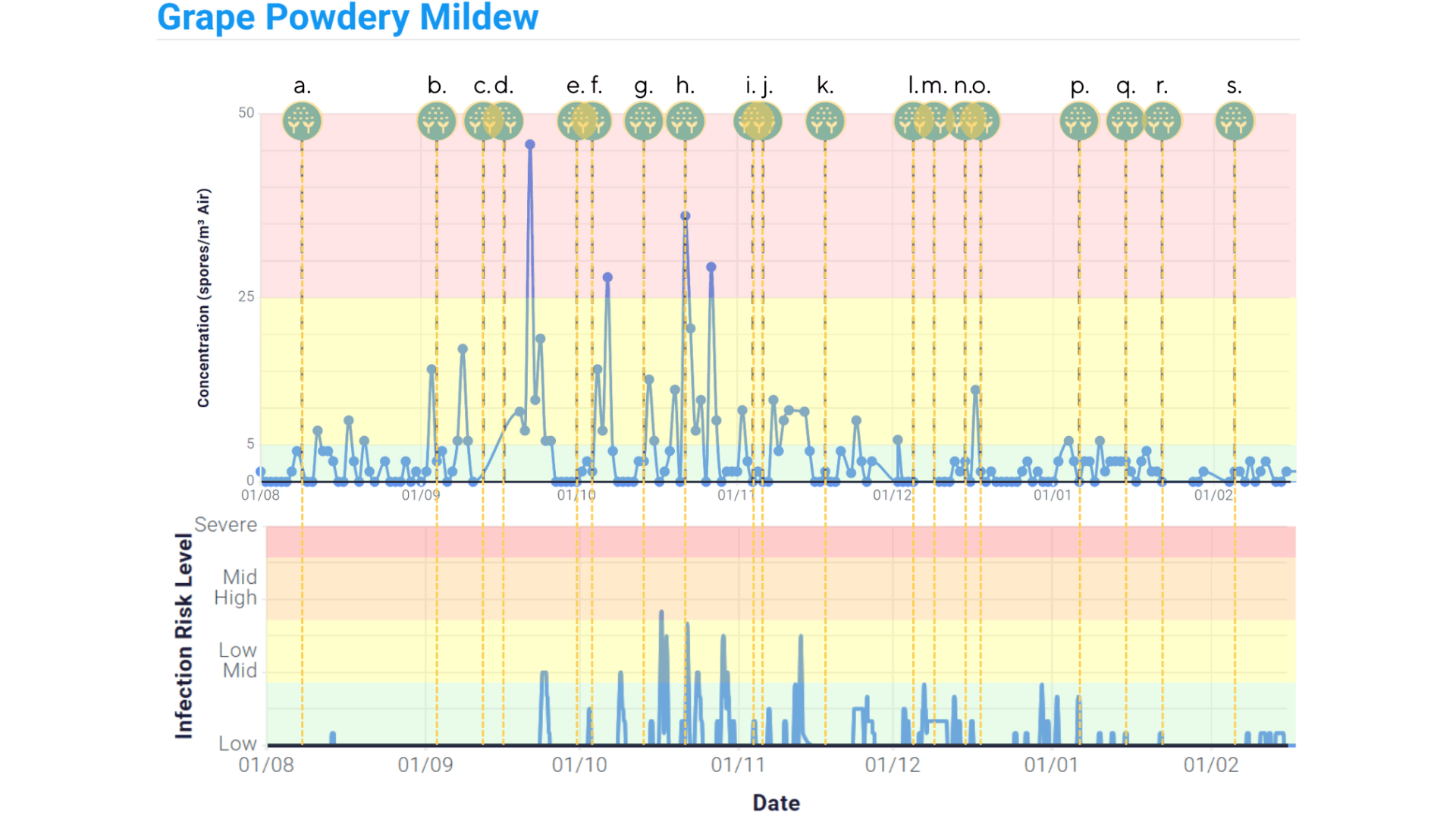
Figure 1. Spore concentration graph with sprays logged for Grape Powdery Mildew. Only 1 of these 19 sprays were necessary (spray h).
The Outcome
Out of the entire spray program last season, 51 of 54 sprays were unnecessary. This is around 97%.
Losses
The overspend on unnecessary fungicide sprays was $14,331.82 out of the total of $14,751.95.
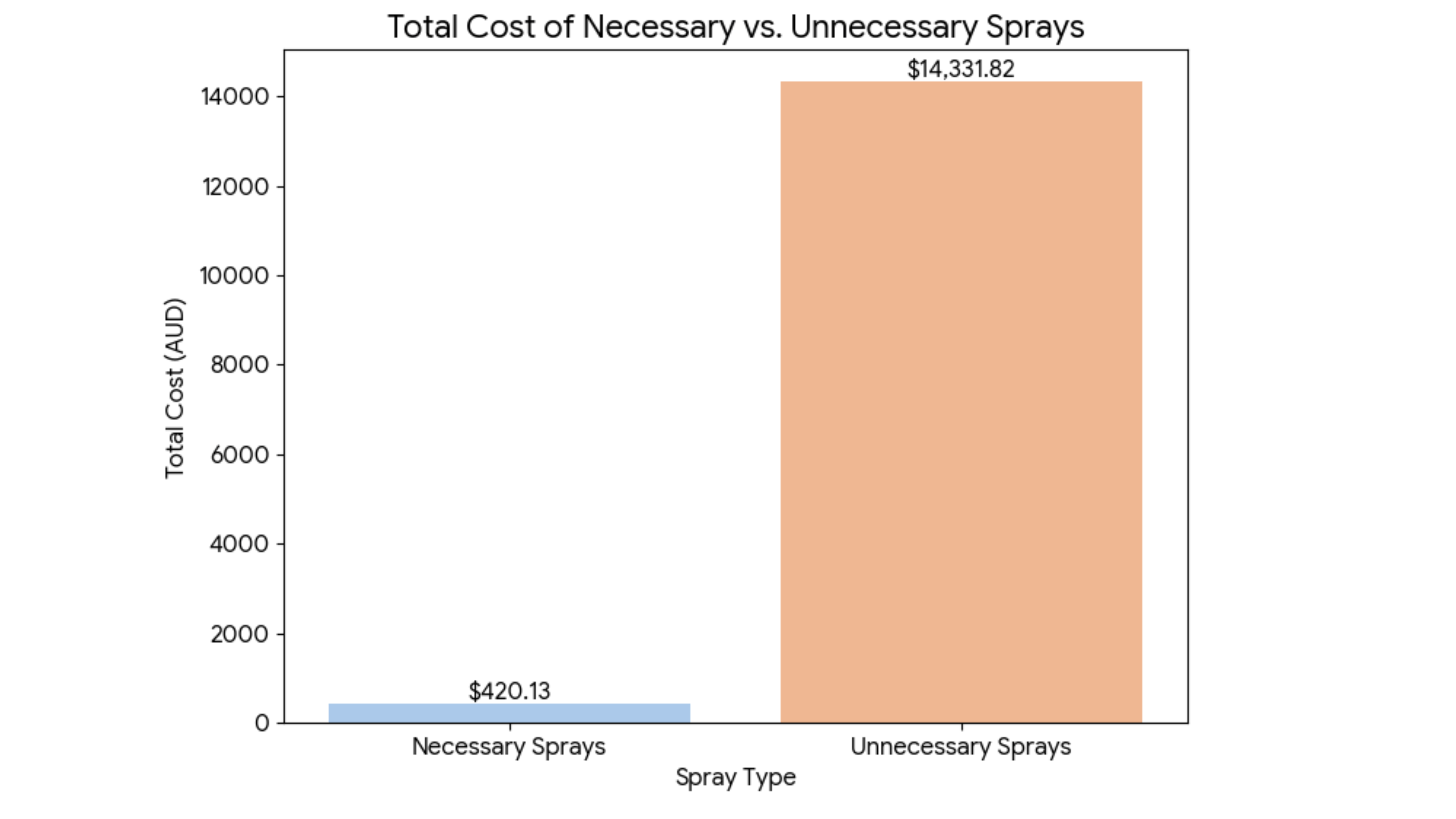
Figure 2. A comparison of necessary sprays versus unnecessary sprays across the season.
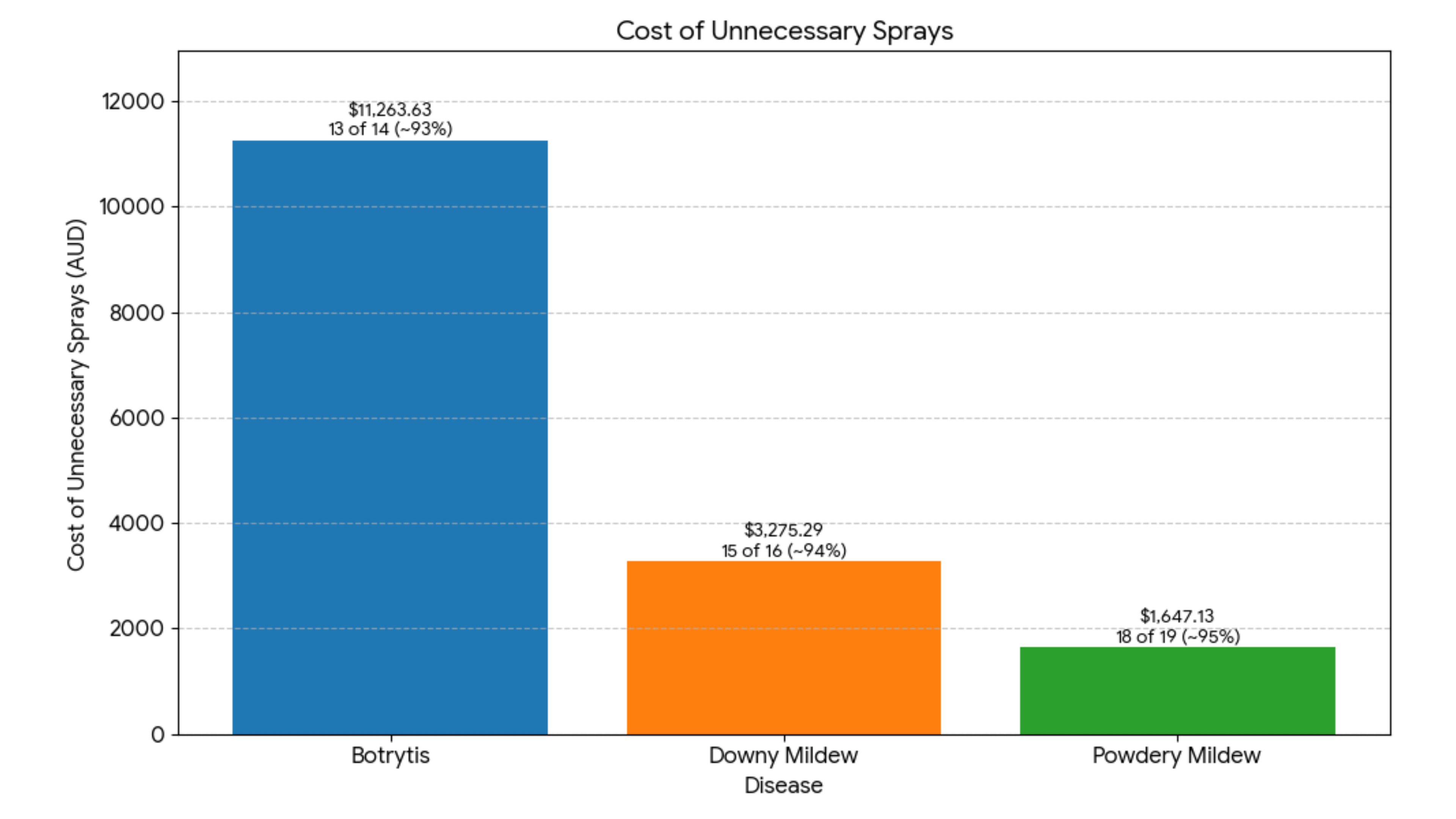
Figure 3. This graph shows what the largest spend was broken down by disease type.
Practical Benefits for Vineyards
Economic: $14,331.82 out of $14,751.95 was spent on unnecessary fungicides.
Environmental: 51 unnecessary sprays were released into the environment.
Operational: All associated costs with these additional 51 unnecessary sprays are not captured here (labour, etc.)
Disease Pressure: The most expensive of these sprays went towards fighting botrytis. $11,263.63 alone was spent, even when there was no botrytis in the environment.
Looking Ahead
For growers aiming to optimise spray timing, cut costs, and protect long-term soil health, BioScout fills the crucial gap: knowing not just when conditions are right for disease, but whether the disease is actually present.
With a clearer, more accurate picture of risk, growers can time sprays better, extend intervals when pressure is low, target fungicides effectively, and reduce applications, all helping with resistance management and sustainable vineyard practices.
Conclusions
This case study shows how wasteful traditional spray regimes can be, with thousands of dollars being lost protecting against pathogens that are not even present in the environment.
Harnessing the data that BioScout units reveal can provide benefits like better timed applications, stronger resistance management and cost savings in the thousands, by removing unnecessary sprays from traditional regimes.