
Core Values

Spray Reduction
$258 saved per ha
Learn more →
Delivering value to growers
$450 value gen per ha
Learn more →Summary
A New Zealand vineyard saved $258 per hectare by using BioScout’s near real-time spore monitoring to fine-tune its downy mildew control program. By tracking actual pathogen levels through BioScout’s dashboard, the grower confidently skipped five fungicide applications (four copper applications and one fluazinam application), maintaining strong crop protection while cutting costs.
Introduction
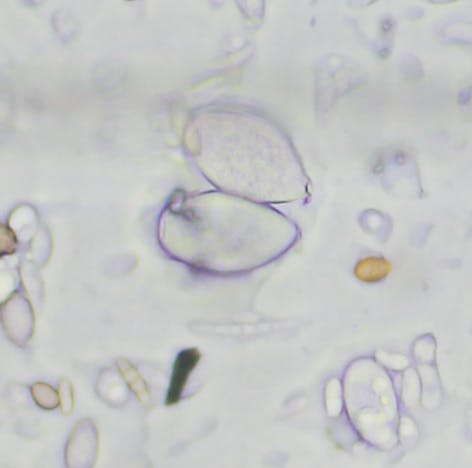
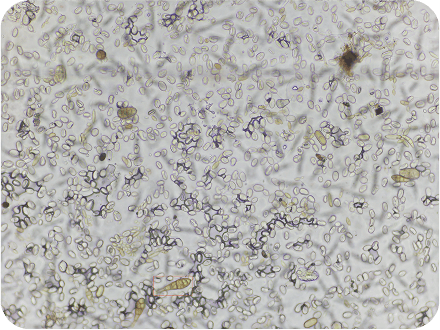
BioScout is a next-generation disease monitoring system that takes the guesswork out of spray decisions. By continuously tracking airborne fungal spores and combining this with local weather data, it delivers a precise picture of actual infection risk at your vineyard. Instead of spraying based on weather conditions alone, growers receive real-time insights that answer the crucial question: "Do I actually need to spray today?"
Operating 24/7 in your vineyard, BioScout automatically identifies key pathogens and delivers critical data straight to an intuitive dashboard. This means you can see exactly what diseases are present and their concentration levels—transforming spray decisions from educated guesses into data-driven choices.
Currently monitored pathogens for vineyards include:
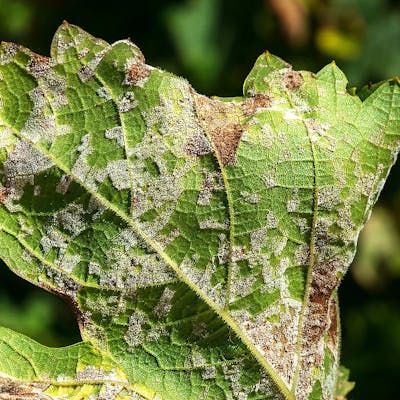
Downy Mildew
(Plasmopara viticola)

Powdery Mildew
(Erysiphe necator)
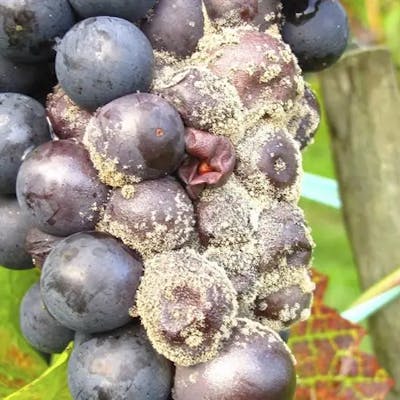
Botrytis
(Botrytis cinerea)
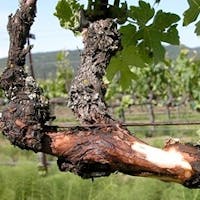
Eutypa dieback
(Eutypa spp.)
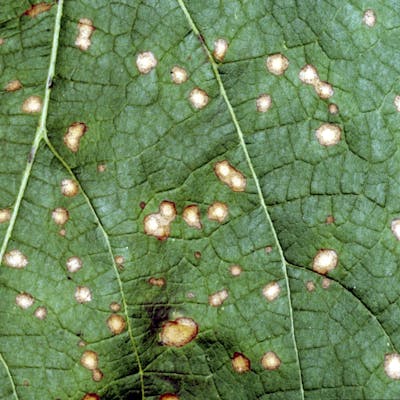
Botryosphaeria dieback
(Botryosphaeriaceae)
Background
A vineyard using BioScout for its second season in 2024/2025 wanted to move beyond routine calendar spraying and instead base decisions on actual disease presence.
What Happened
Early in the 2024/2025 season (Figure 1B), the grower observed that downy mildew spore counts were consistently lower than the previous 2023/2024 season (Figure 1A). By that time, they had already applied their usual early-season mancozeb spray. However, rather than continuing with their standard program, they monitored the BioScout data and decided to withhold further downy mildew treatments while spore levels remained low.
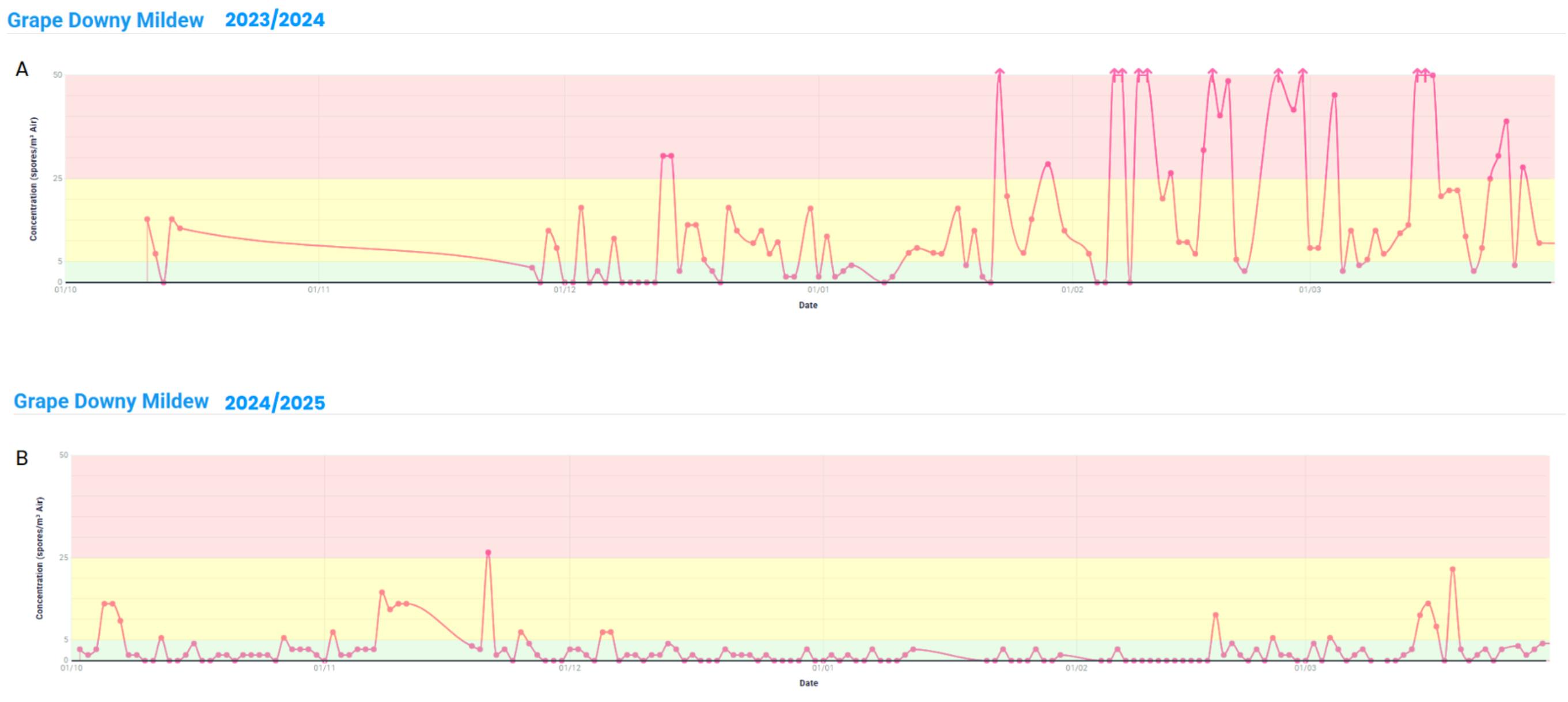
Figure 1. Grape Downy Mildew Spore Concentration Data from a New Zealand Vineyard
A. 1/10/2023 – 20/04/2024 B. 01/10 2024 – 20/04/2025
The Outcome
Spore levels stayed low all season through to harvest, so no further downy mildew sprays were needed. Compared to 2023/2024, the grower avoided four copper applications.
Savings
The grower saved $258/ha in direct spray costs. Beyond the immediate savings, reducing copper applications also helps prevent soil copper buildup and reduces crop stress from chemical inputs.
Practical Benefits for Vineyards
Economic: $258/ha saved on sprays.
Environmental: Reduced copper use helps soil health and supports sustainability goals.
Operational: BioScout adds flexibility, letting growers adjust mid-season and refine programs year-to-year.
Integration: BioScout complements existing disease management strategies, enhancing field scouting or agronomic knowledge with real-time intelligence.
Looking Ahead
For those aiming to optimise spray timing, cut costs, and protect long-term soil health, BioScout fills the crucial gap: knowing not just when conditions are right for disease, but whether the disease is actually present. With a clearer, more accurate picture of risk, growers can time sprays better, extend intervals when pressure is low, target fungicides effectively, and reduce applications, all helping with resistance management and sustainable vineyard practices.
Conclusions
This case study shows how near-real-time spore monitoring with BioScout helps vineyard managers make smarter decisions, reducing chemical use without risking crop health. This case study shows the power of acting on actual disease presence rather than predictions alone. As more vineyards adopt BioScout, benefits like better profitability, stronger resistance management, and improved sustainability will continue to grow.