
Core Values

Spray Reduction
$258 saved per ha
Learn more →
Delivering value to growers
$450 value gen per ha
Learn more →Summary
This case study highlights how a vineyard in the Wairau Valley, Marlborough, New Zealand, reduced its downy mildew spray applications by 50% and cut spray-related costs by 40% during the 2024–25 growing season by using BioScout's airborne spore monitoring system.
In contrast, a nearby vineyard just 24 km away followed a traditional calendar-based spray program, resulting in higher input costs without any improvement in disease control outcomes.
The Challenge for Growers
Downy mildew remains a serious threat to vineyards. The common approach is to spray prophylactically according to a calendar-baed schedule, or a basic weather model. However, this often leads to:
- Over-spraying: Increased input costs and chemical load.
- Under-spraying: Increased risk of crop damage and loss.
BioScout offers a new way to move away from calendar sprays and manage disease based on actual risk displaying near real-time local data on airborne spore levels and environmental conditions.
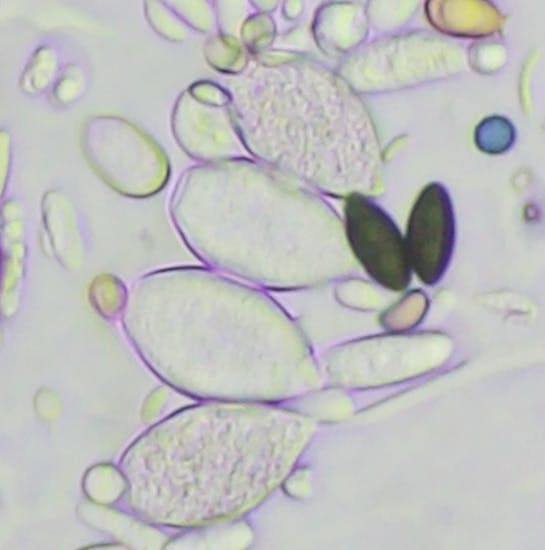
Currently monitored pathogens for vineyards include:
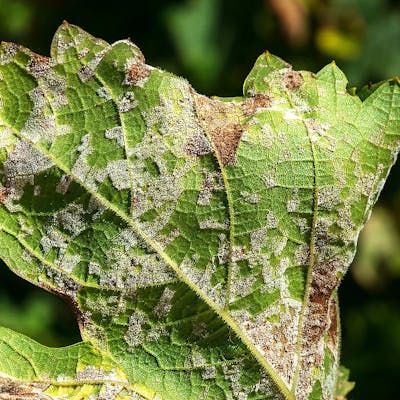
Downy Mildew
(Plasmopara viticola)

Powdery Mildew
(Erysiphe necator)
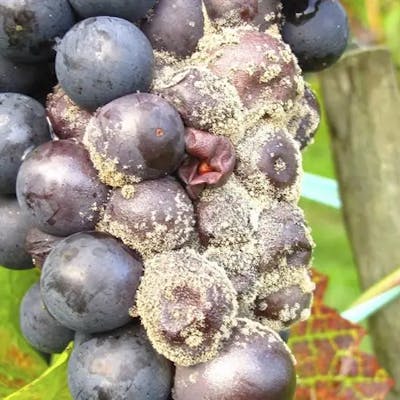
Botrytis
(Botrytis cinerea)
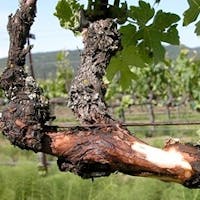
Eutypa dieback
(Eutypa spp.)
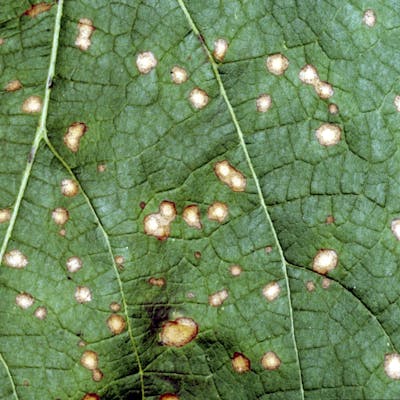
Botryosphaeria dieback
(Botryosphaeriaceae)
Background
Many vineyards apply precautionary fungicides every 10-14 days. This precautionary approach often results in unnecessary sprays as it does not account for actual disease risk. BioScout samples vineyard air daily, imaging and measuring spore levels of disease-causing fungi to provide growers with accurate, infection risk data daily. This enables a shift from preventative calendar spraying to targeted applications based on actual pathogen presence.
What Happened
Two commercial vineyards had BioScout units providing disease monitoring services across two consecutive seasons (2023/24 and 2024/25). However, both vineyards behaved very differently Vineyard 1 embraced BioScout’s spore data over two seasons, applying an early preventative spray and only applying further when spore levels and weather conditions signalled a higher risk. This data-driven approach meant significant savings on sprays, without compromising control.
Meanwhile, Vineyard 2 followed a traditional 10–14 day spray schedule, applying 10 sprays despite low disease pressure, leading to higher costs with no added benefit.
Across the two seasons, Vineyard 2 spent NZD 731.52 more per hectare than Vineyard 1. This represents an increase of 153.29%.
- Vineyard 1 Total Spending (2 seasons): NZD 477.20/ha
- Vineyard 2 Total Spending (2 seasons): NZD 1,208.72/ha
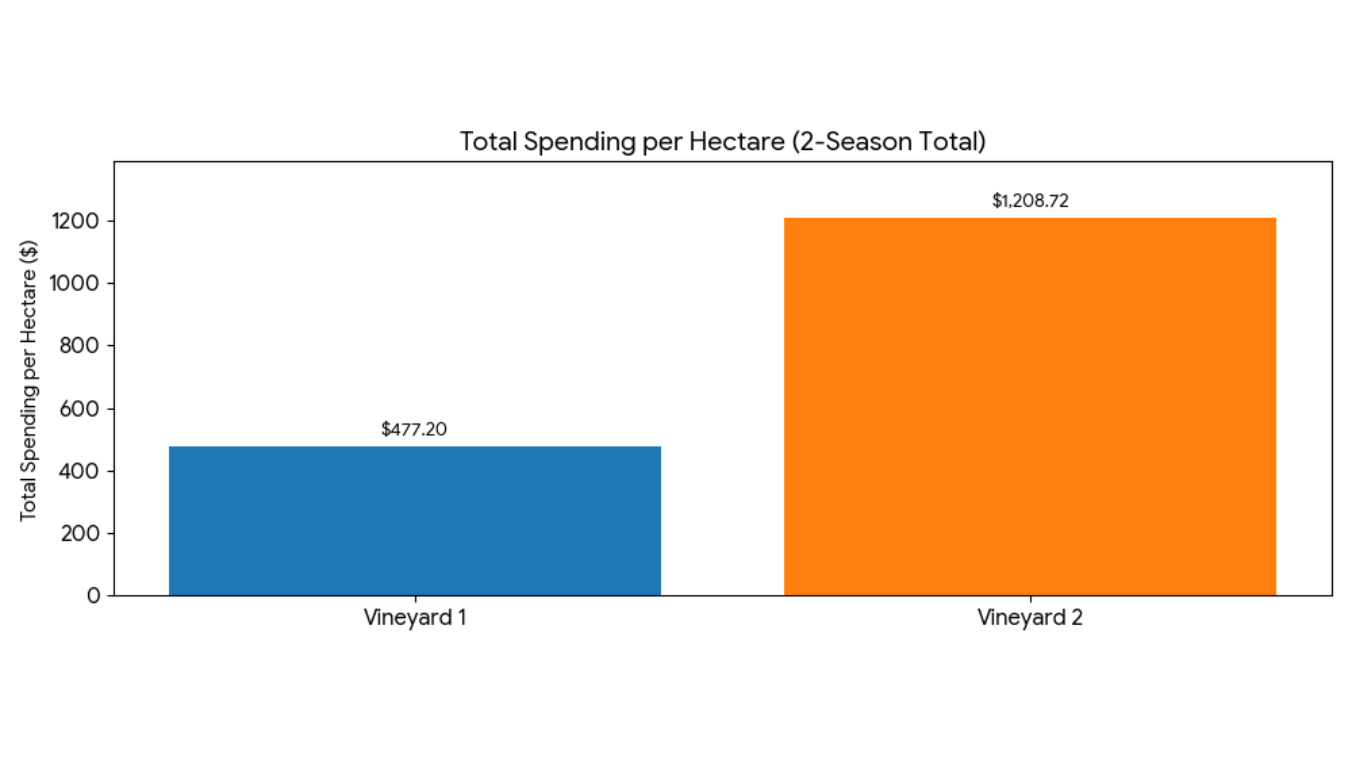
Figure 1. Total fungicide spending per hectare for Vineyard 1 versus Vineyard 2.
The Outcome - Spray Efficacy
- Vineyard 1 reduced downy mildew sprays by 50% (from 6 to 3).
- Total sprayer passes were maintained for other pests and diseases.
- Achieved this with no loss in disease control.
Losses - Cost Impact
- Vineyard 1 cut costs by over 40%.
- Vineyard 2 stuck to the same spray schedule as the previous year, despite low disease pressure, and paid more due to rising chemical costs.
Spore Trends: The Data Speaks
High Disease Pressure: 2023/24
During the 2023/24 season, both vineyards had high disease pressure and prolonged periods of elevated spore loads reaching over 50 spores/m³ air (Figure 2).
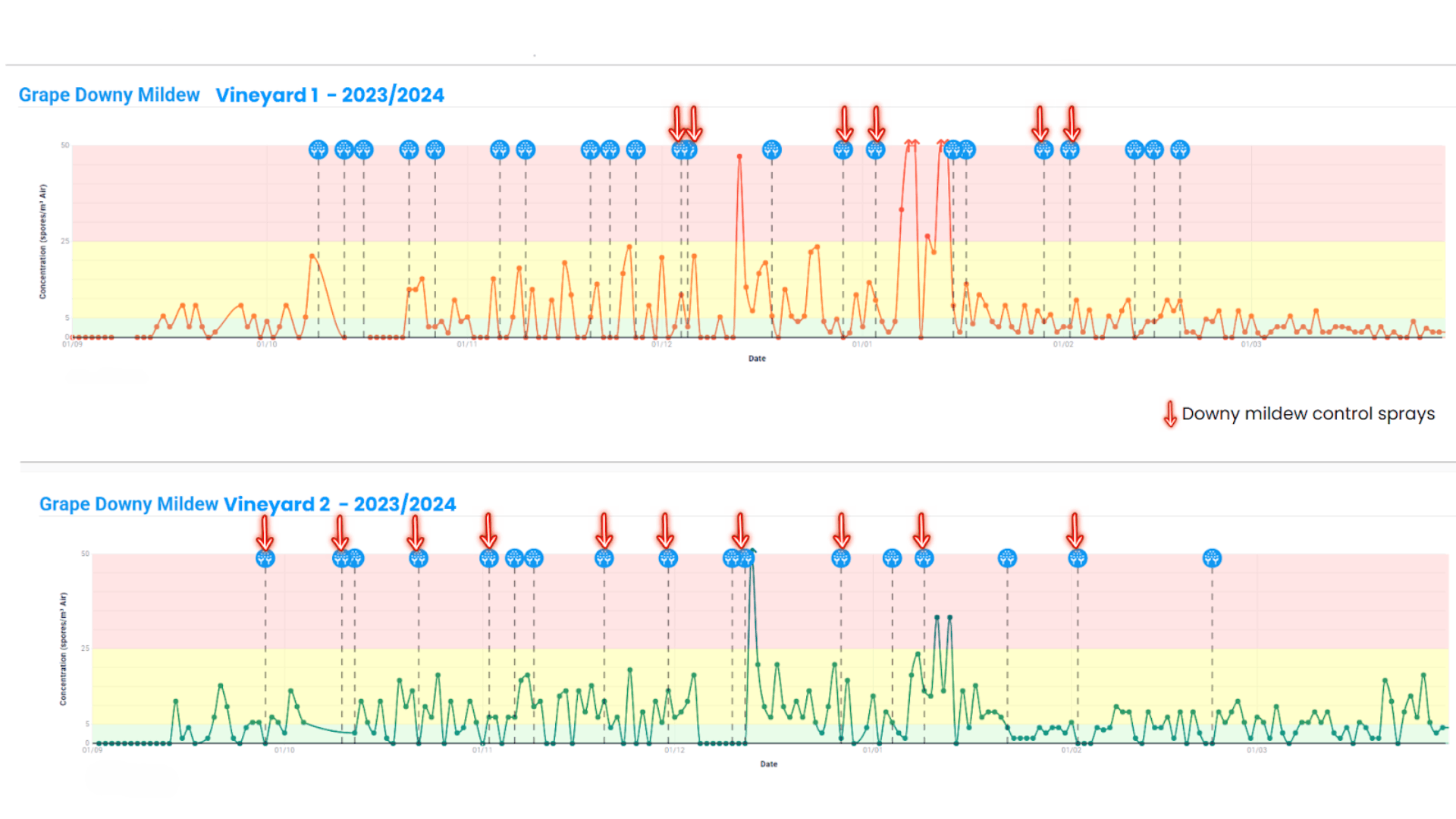
Figure 2. Grape Downy Mildew Spore Concentration Data from Two Vineyards in Marlborough, New Zealand for 2023/2024 grape season.
Low Disease Pressure: 2024/25
During the 2024/25 season, disease pressure remained low, with most days under 10 spores/m³ air (Figure 3). Only Vineyard 1 recognised this shift from the previous season and adjusted their spray programme accordingly, reducing costs while maintaining effective disease control. Vineyard 2, despite having access to the same data and a similar situation, continued their standard spray schedule.
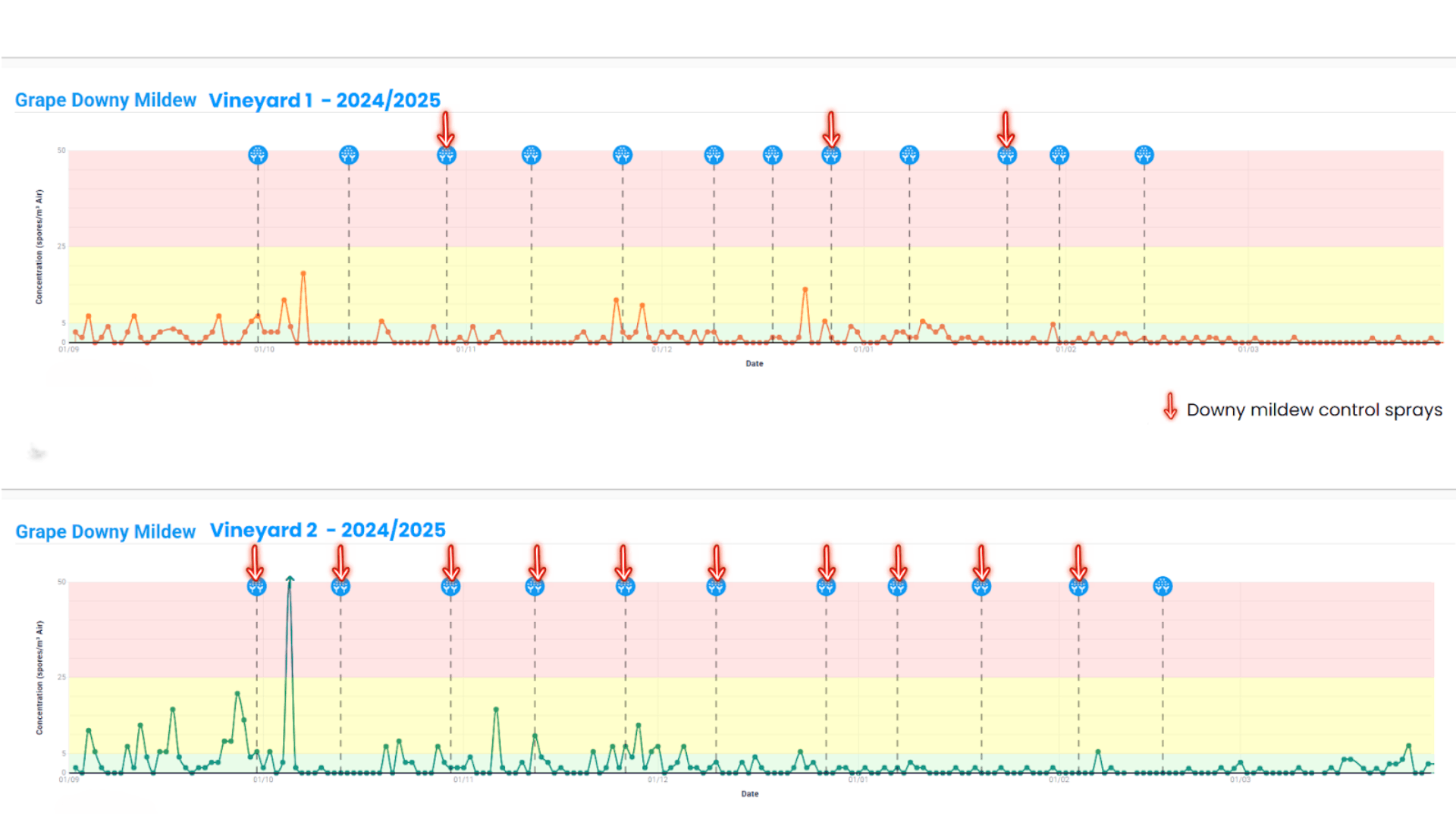
Figure 3. Grape Downy Mildew Spore Concentration Data from Two Vineyards in Marlborough, New Zealand for 2024/2025 grape season.
Practical Benefits for Vineyards
Economic: Vineyard 1 saved $731.52/ha over the two seasons compared to Vineyard 2.
Economic: This represents a saving of 60.52% relative to Vineyard 2's total spending.
Operational: These savings exclude associated costs such as fuel, equipment and labour, meaning actual savings may be higher.
Environmental: Reduced copper use helps soil health, reduces fungicide resistance, and supports sustainability.
Practicality: BioScout enables flexibility, letting growers adjust mid-season and refine programs year-to-year.
Looking Ahead
For growers aiming to optimise spray timing, cut costs, and protect long-term soil health, BioScout fills the crucial gap: knowing not just when conditions are right for disease, but whether the disease is actually present.
With a clearer, more accurate picture of risk, growers can time sprays better, extend intervals when pressure is low, target fungicides effectively, and reduce applications, all helping with resistance management and sustainable vineyard practices.
Conclusions
This case study shows how wasteful traditional spray regimes can be, with hundreds of dollars being lost protecting against pathogens that are not currently a threat.
Harnessing the data that BioScout provides enables benefits like optimally- timed applications, stronger resistance management and cost savings in the thousands, by removing unnecessary sprays from traditional regimes.